Common Commercial Electrical Problems Businesses Face
Pennsylvania Businesses Are Seeing More Power-Related Issues as Buildings and Equipment Age
POTTSVILLE, PA — Across Eastern Pennsylvania, business owners are facing a growing problem that often stays hidden until operations are interrupted: aging and overworked electrical systems.
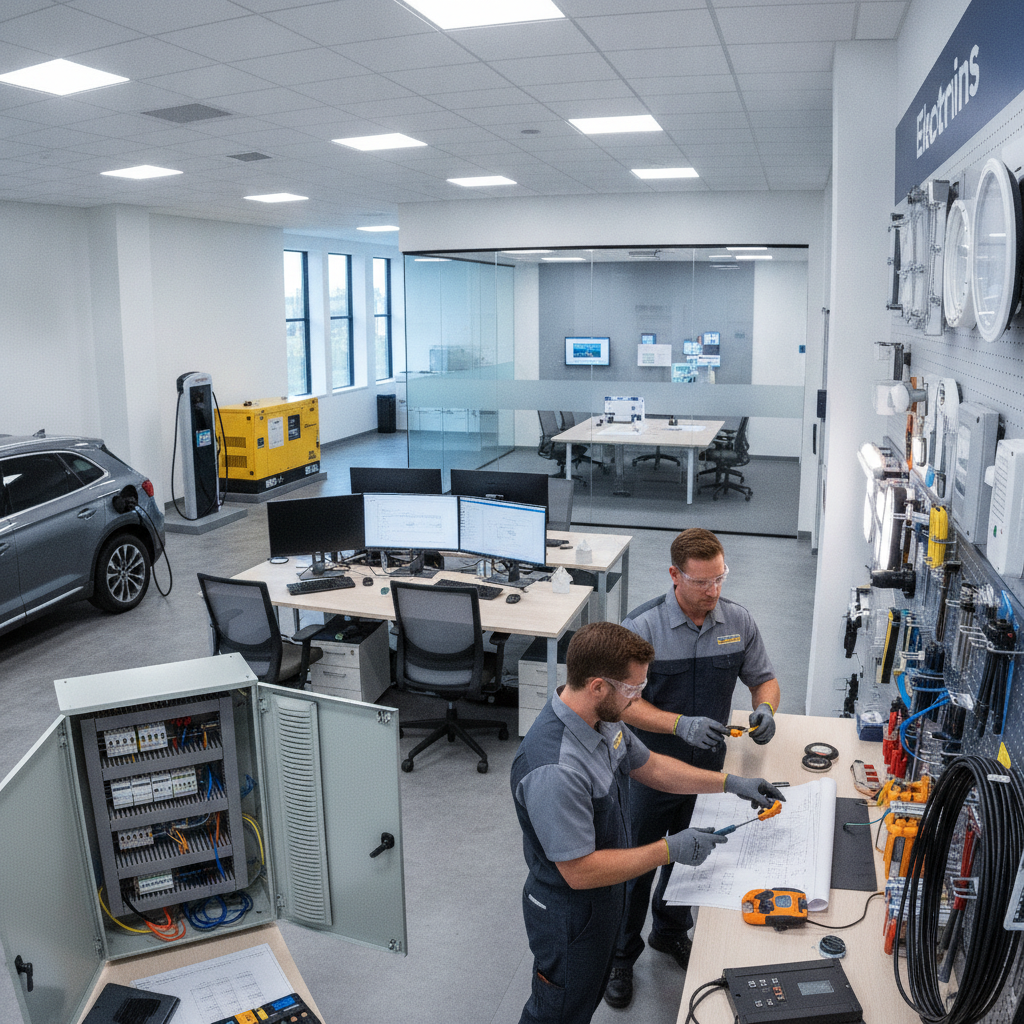
Commercial electricians throughout Schuylkill County say service calls involving electrical failures, breaker issues, damaged wiring, and equipment power problems have become increasingly common as businesses continue adding more technology and equipment to older buildings.
For many companies, electrical issues do not begin with a dramatic outage. Instead, the warning signs often appear gradually through flickering lights, unexplained shutdowns, buzzing panels, overheated breakers, or equipment that suddenly stops operating correctly.
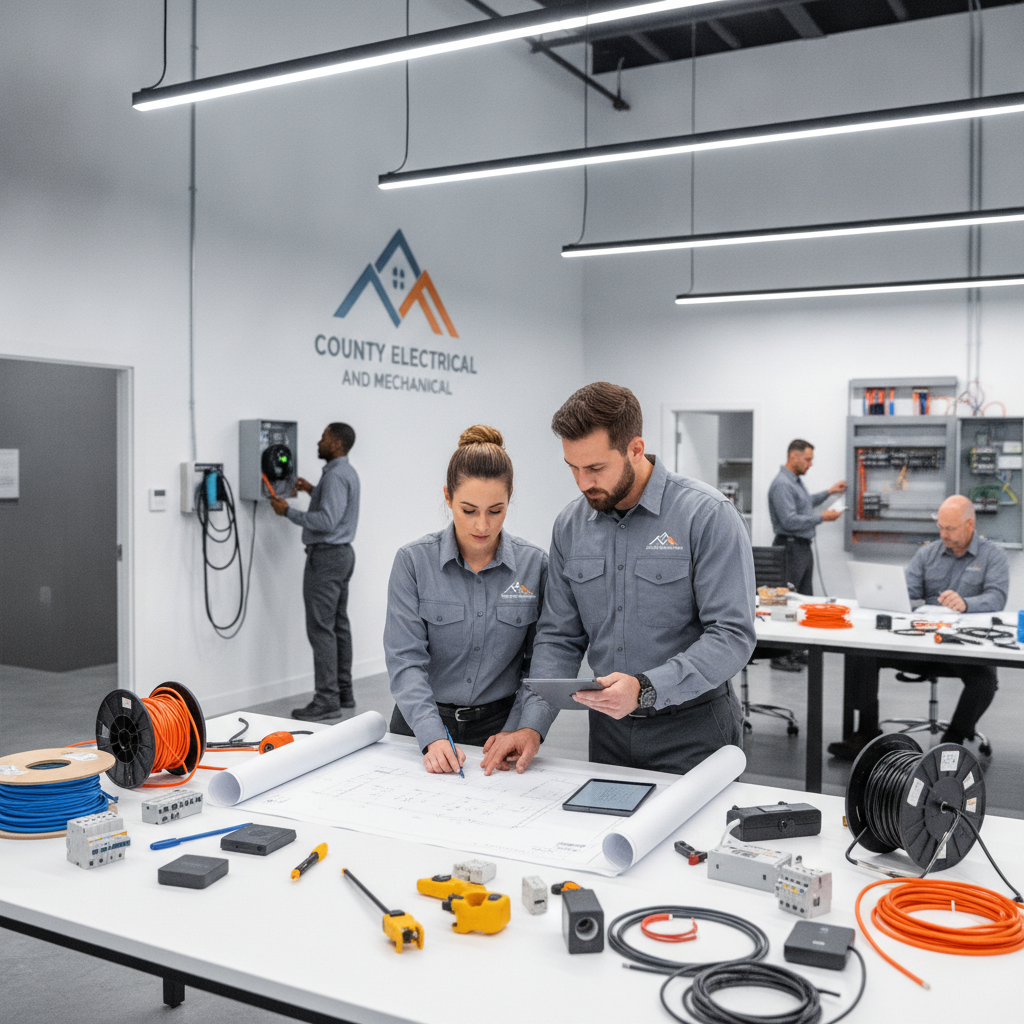
According to technicians at County Electrical & Mechanical, many commercial properties throughout Pottsville, Carbon County, Luzerne County, Northumberland County, Berks County, and Lebanon County are operating with electrical infrastructure that was never designed to support today’s energy demands.
“Businesses are running far more equipment now than they were 20 or 30 years ago,” local contractors explain. “A lot of these systems are simply trying to carry more load than they were originally built for.”
One Small Electrical Problem Can Disrupt an Entire Business Day
Unlike residential electrical problems, commercial electrical failures can affect multiple systems at once.
A single electrical issue may interrupt internet and phone systems, HVAC equipment, security systems, refrigeration, computer networks, payment processing systems, and even manufacturing equipment.
In restaurants, offices, warehouses, and healthcare facilities, even a short electrical interruption can create operational delays and financial losses.
Some business owners first notice issues when employees begin complaining about certain areas of the building losing power repeatedly or lights dimming whenever equipment powers on. Others discover problems after expensive equipment suddenly fails without warning.
Electrical contractors say these situations often trace back to underlying infrastructure issues that have slowly worsened over time.
Older Buildings Are Facing Modern Power Demands
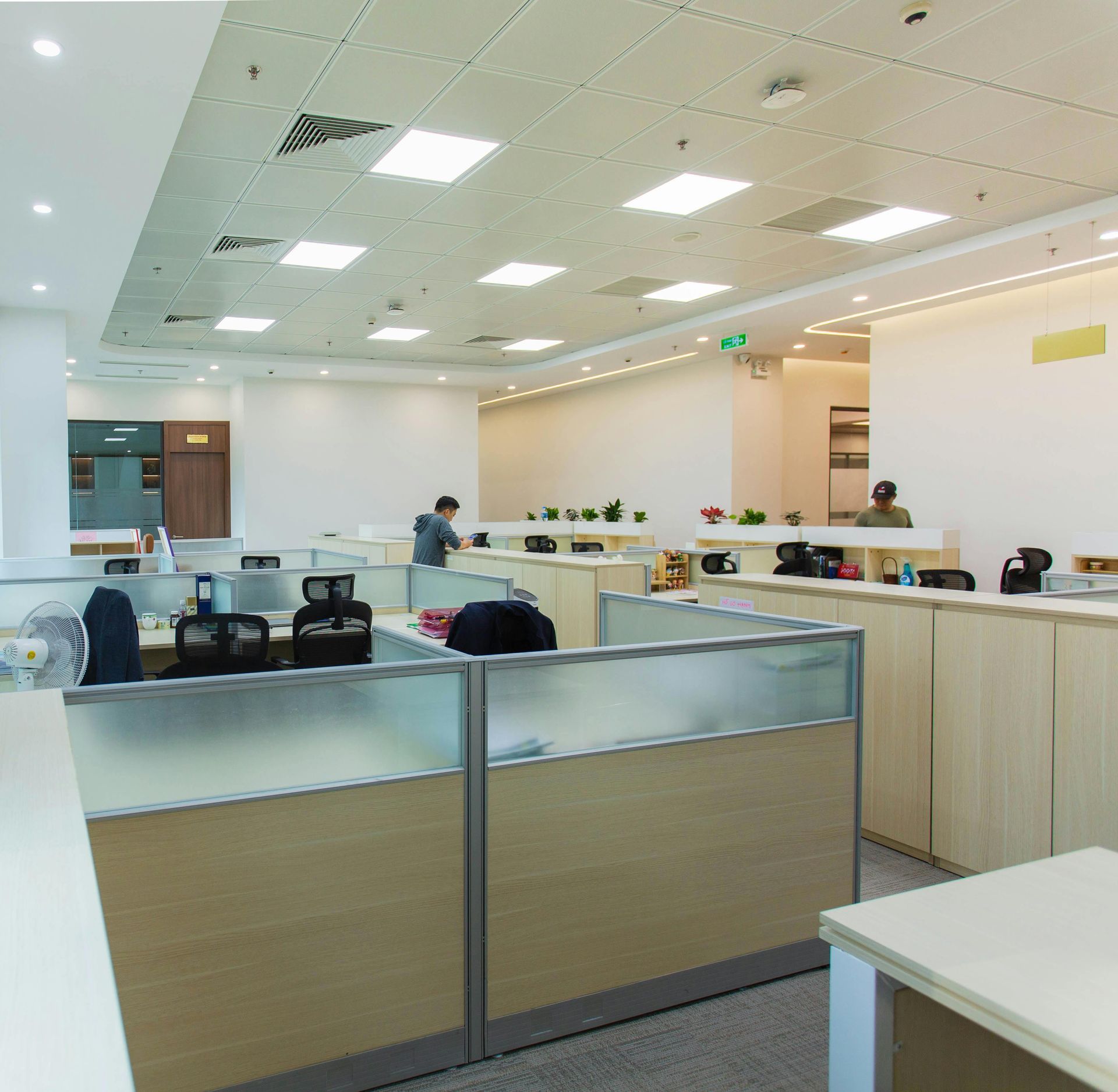
Many commercial buildings across Pennsylvania were built long before modern businesses relied on multiple computer workstations, cloud-based networking equipment, large HVAC systems, commercial refrigeration, digital signage, advanced security systems, and high-capacity machinery.
As businesses continue modernizing, electrical systems are often expected to handle significantly more power without corresponding upgrades.
This increased demand places excessive stress on breakers, wiring, panels, transformers, and electrical connections. Experts say overloaded systems are now one of the leading causes of recurring commercial electrical problems throughout the region.
Flickering Lights Are Often More Than Just an Annoyance
One of the most commonly ignored warning signs in commercial properties is flickering or inconsistent lighting.
While many people assume lighting issues involve simple bulb replacements, electricians say flickering lights often indicate deeper electrical concerns.
In commercial environments, fluctuating power may signal loose wiring connections, voltage irregularities, overloaded circuits, failing breakers, or electrical panel deterioration.
Business owners are encouraged not to ignore these early symptoms, especially when lighting issues appear throughout multiple areas of a building or worsen over time.
Electrical Panels Frequently Become a Bottleneck
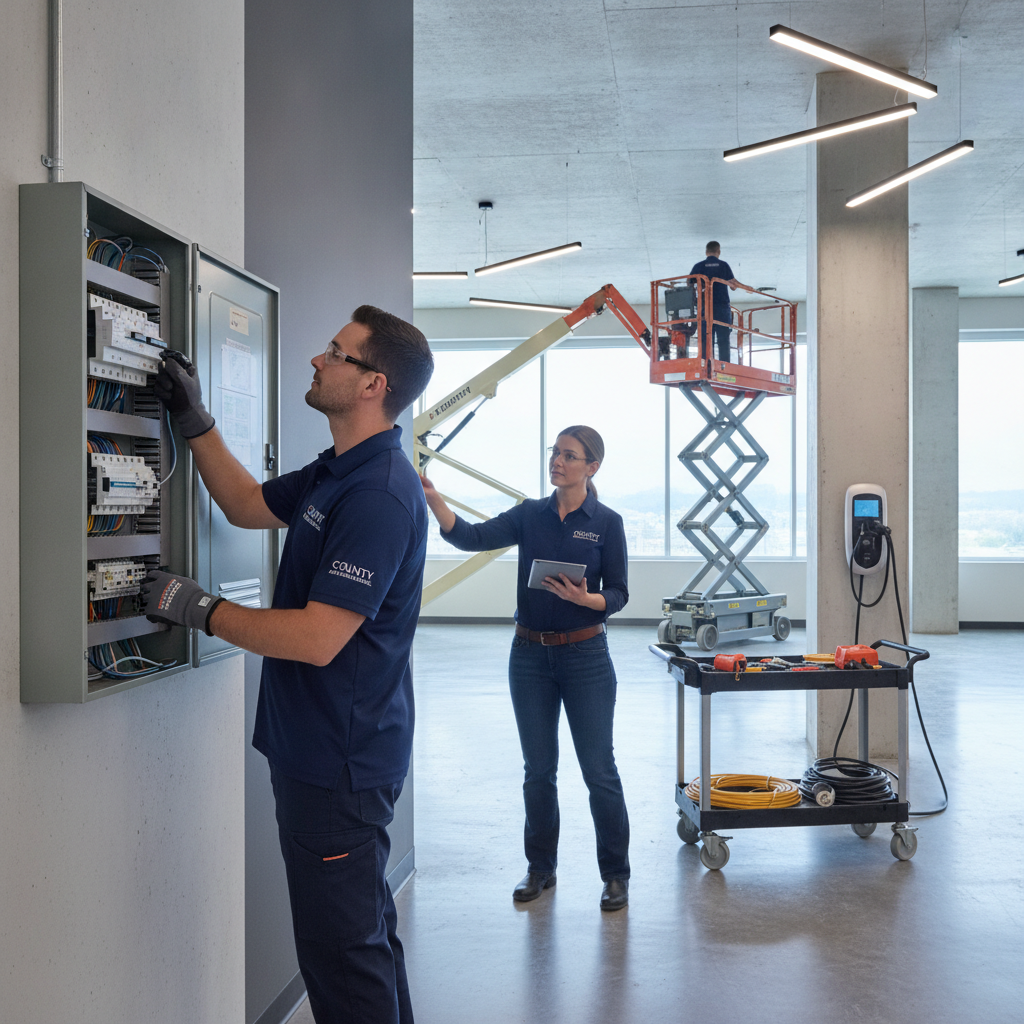
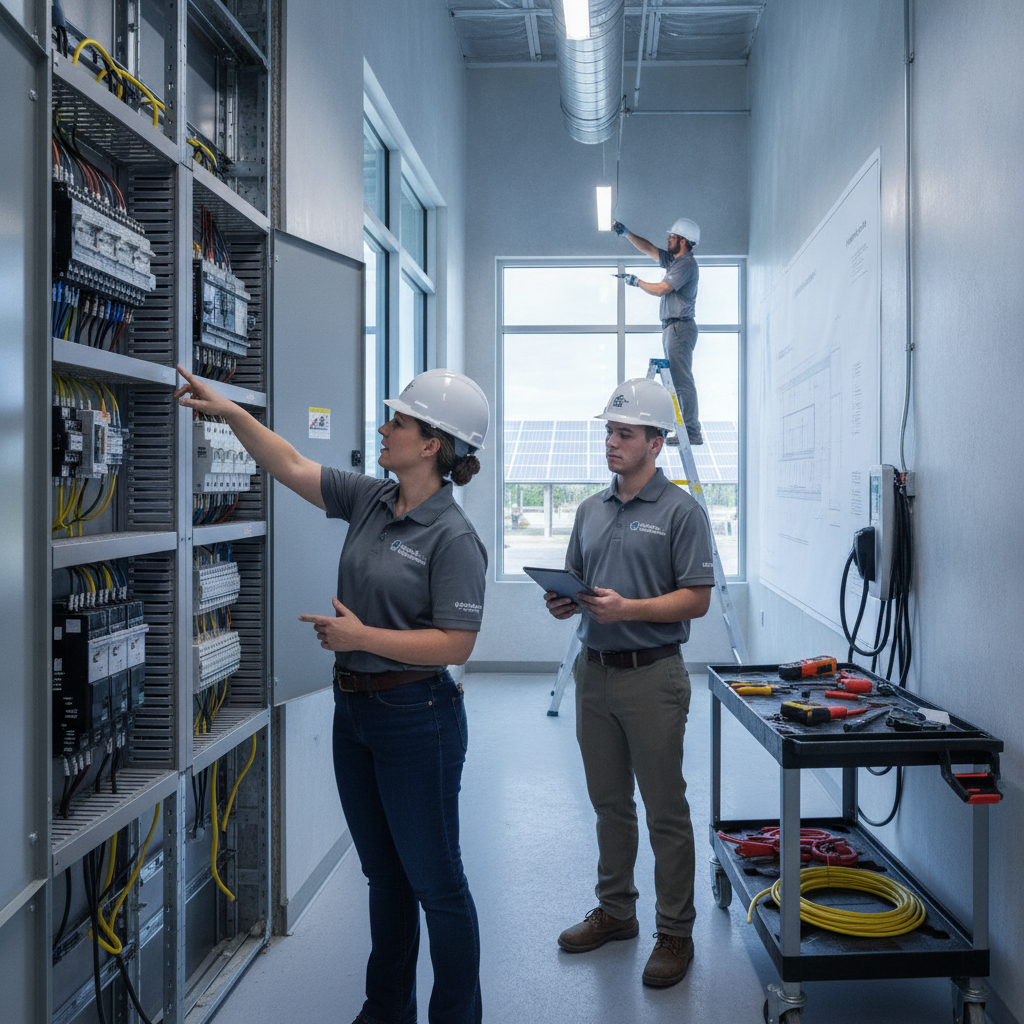
Commercial electrical panels are designed to distribute electricity safely throughout a building. However, as businesses expand and equipment increases, older panels may no longer have enough capacity to handle demand efficiently.
Electrical contractors report seeing a growing number of businesses dealing with frequent breaker trips, panels running excessively hot, limited room for additional circuits, buzzing sounds near electrical equipment, and visible discoloration around electrical panels.
In many cases, panel upgrades become necessary not only for reliability but also to meet modern electrical safety standards.
Emergency Repairs Often Happen During Peak Demand
Commercial electrical failures rarely occur at convenient times.
According to local contractors, emergency service calls frequently happen during summer heat waves, winter cold snaps, busy operating hours, and major production periods because HVAC systems, refrigeration equipment, and machinery place heavier demands on electrical systems during extreme weather conditions.
Technicians say many emergency outages could potentially be prevented through regular inspections and preventative maintenance.
Businesses Are Becoming More Proactive
As downtime becomes more expensive, many Pennsylvania businesses are shifting toward preventative electrical maintenance rather than waiting for failures to occur.
Routine inspections can help identify overloaded circuits, failing breakers, unsafe wiring, power imbalance issues, equipment strain, and electrical code concerns before they become serious problems.
Business owners are increasingly viewing electrical maintenance as an operational investment rather than simply an emergency repair service.
Safety Remains One of the Biggest Concerns
Electrical professionals warn that unresolved commercial electrical issues can become major safety hazards if ignored.
Faulty wiring, overloaded systems, and deteriorating electrical components may increase the risk of electrical fires, equipment damage, employee injuries, unexpected outages, and costly business interruptions.
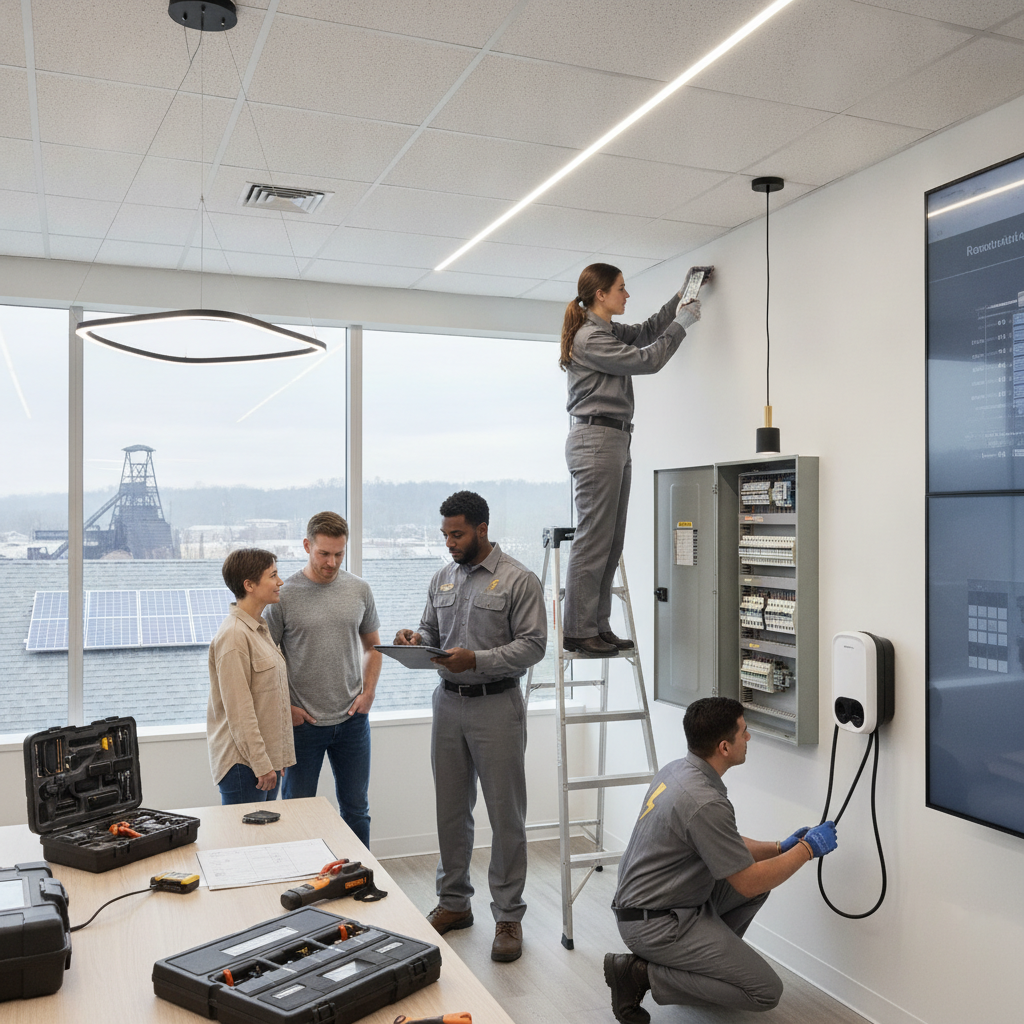
County Electrical & Mechanical provides commercial electrical inspections, troubleshooting, repairs, upgrades, and preventative maintenance services for businesses throughout Pottsville and surrounding Pennsylvania counties.
As businesses continue relying more heavily on technology and electrical infrastructure, contractors say proactive maintenance and system upgrades are becoming increasingly important for maintaining both safety and long-term operational stability.